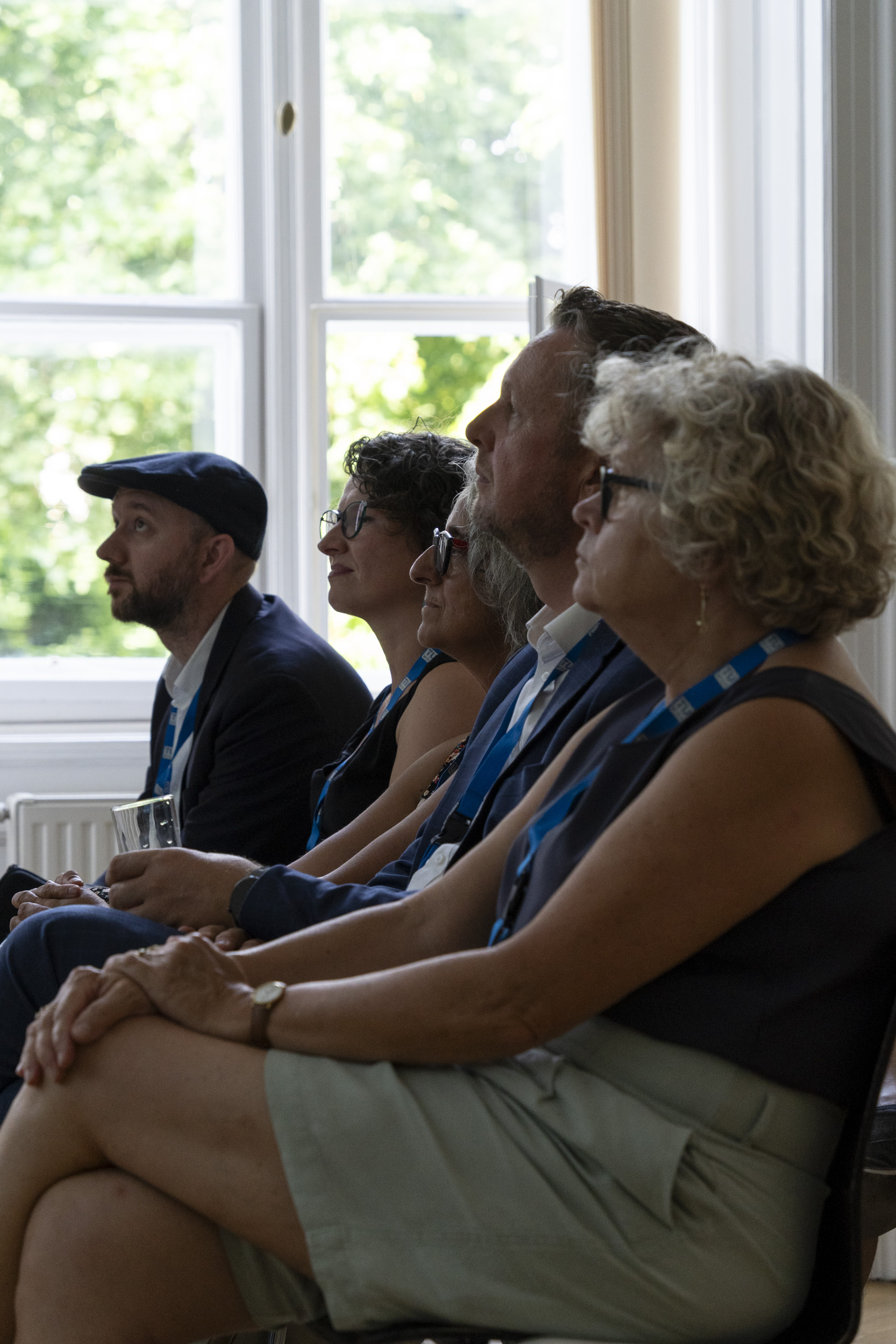
On June 23, 2026, this year’s CTSi//midsommar.2026 took place in the Böcklsaal at TU Wien, bringing together participants from research, education, and professional practice for a shared afternoon of exchange. The event focused on the question of how social innovation can be shaped in the context of artificial intelligence and increasingly agentic systems.
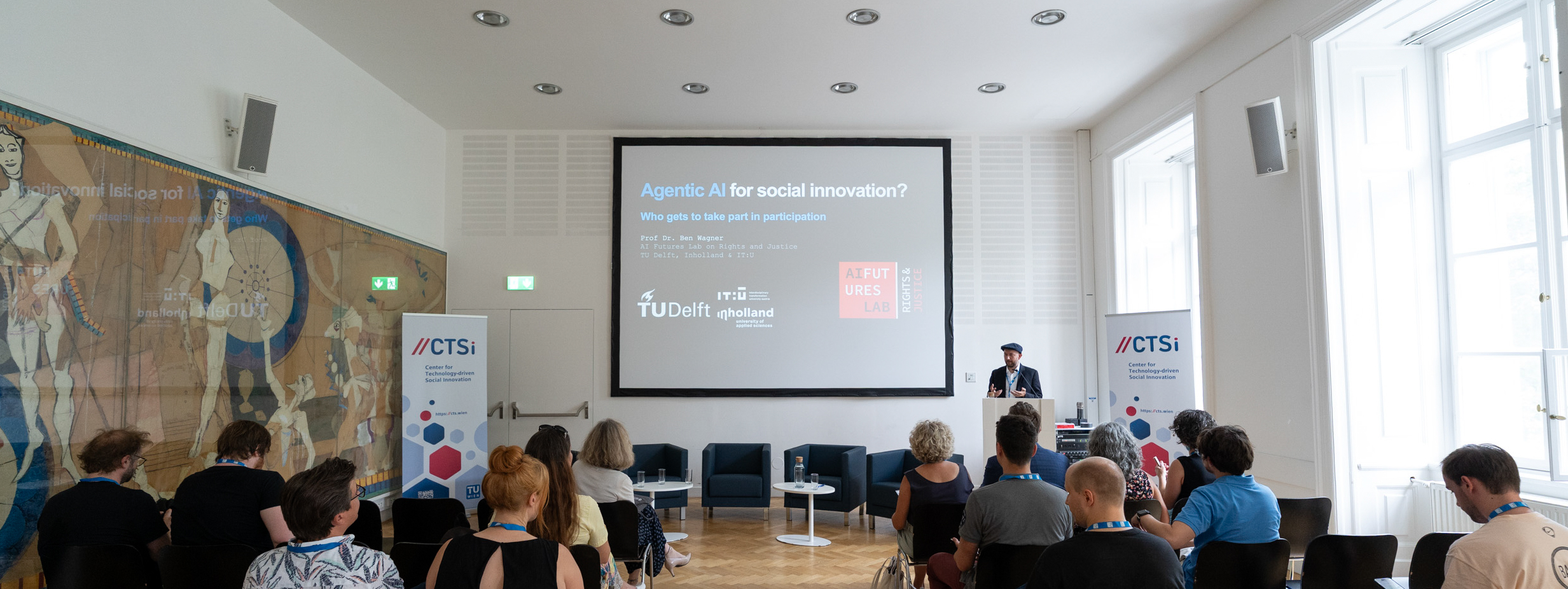
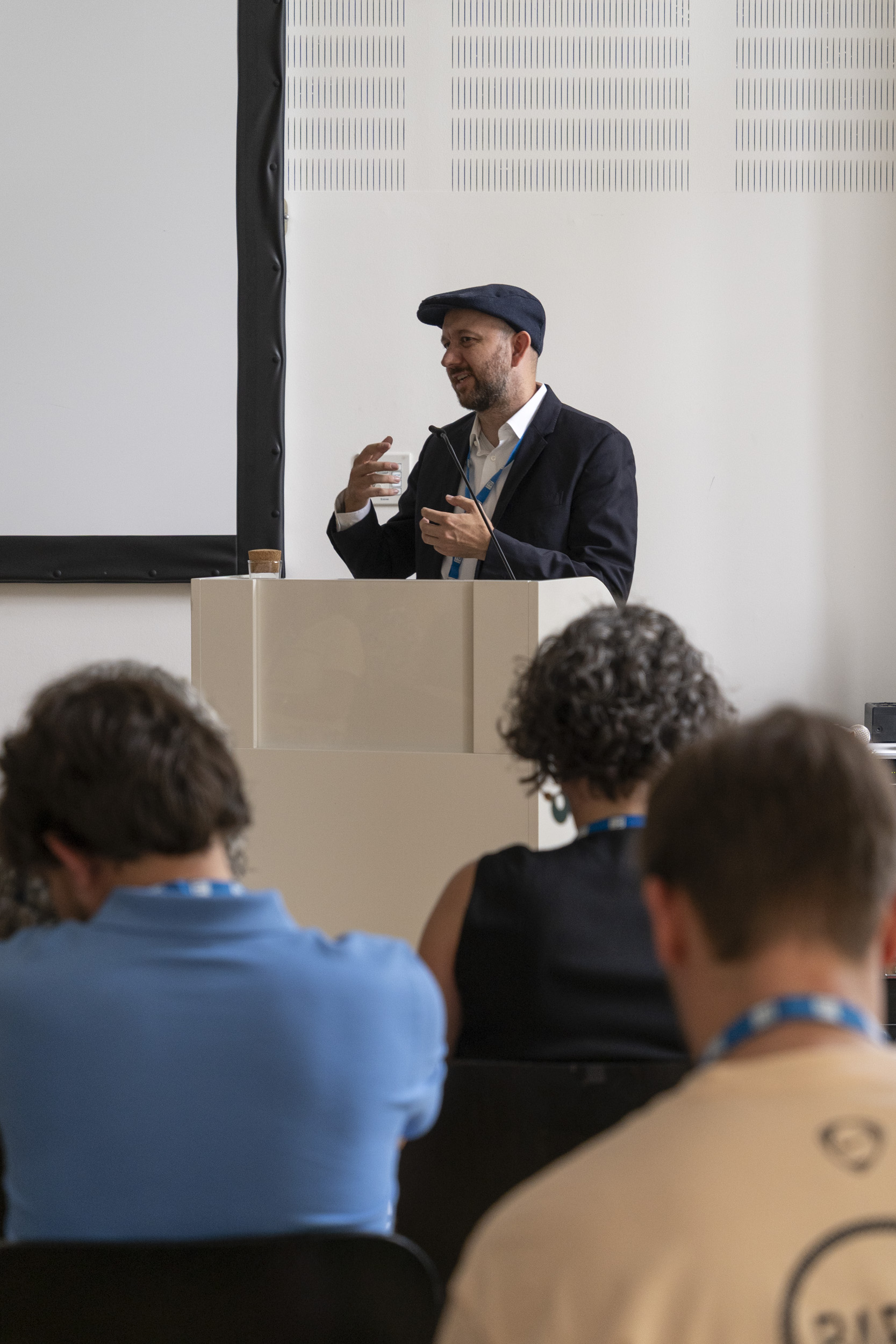
A central highlight was the keynote speech by Ben Wagner , University Professor of Human Rights and Technology at IT:U, Director of the AI Futures Lab at TU Delft, and Professor of Media, Technology and Society at Inholland, as well as a recognized expert in technology policy, digital governance, and human rights. In his talk, he posed the fundamental question of who is involved in developing technologies and AI, and which perspectives are taken into account in the process. He argued that similar groups of actors currently tend to influence technological development, thereby reproducing certain types of technologies. Building on this, Wagner emphasized that not only is the involvement of a diverse range of stakeholders crucial, but the underlying governance structures must also be scrutinized. Different forms of governance and participation can lead to different technological outcomes and, therefore, significantly influence how innovation is shaped.
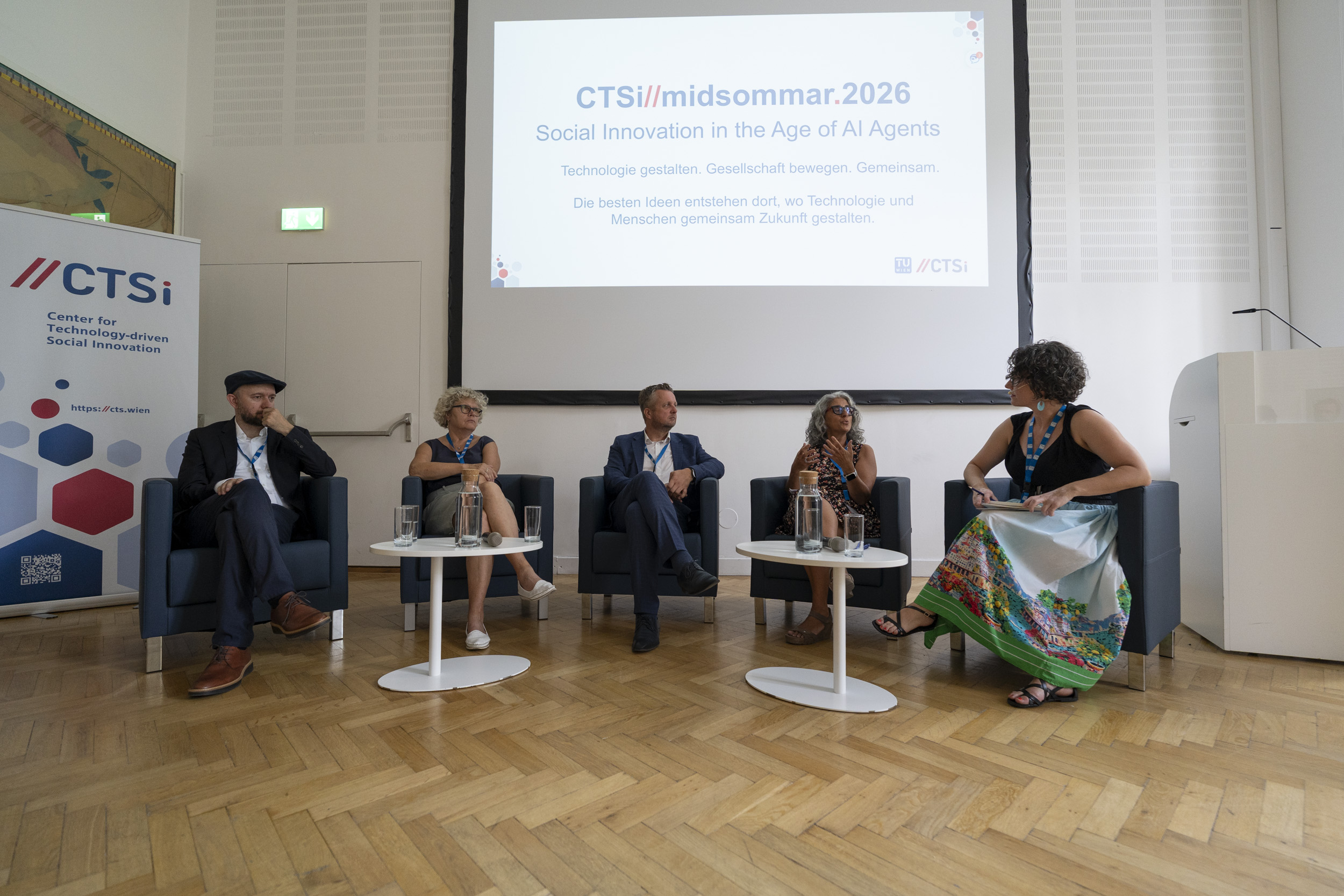
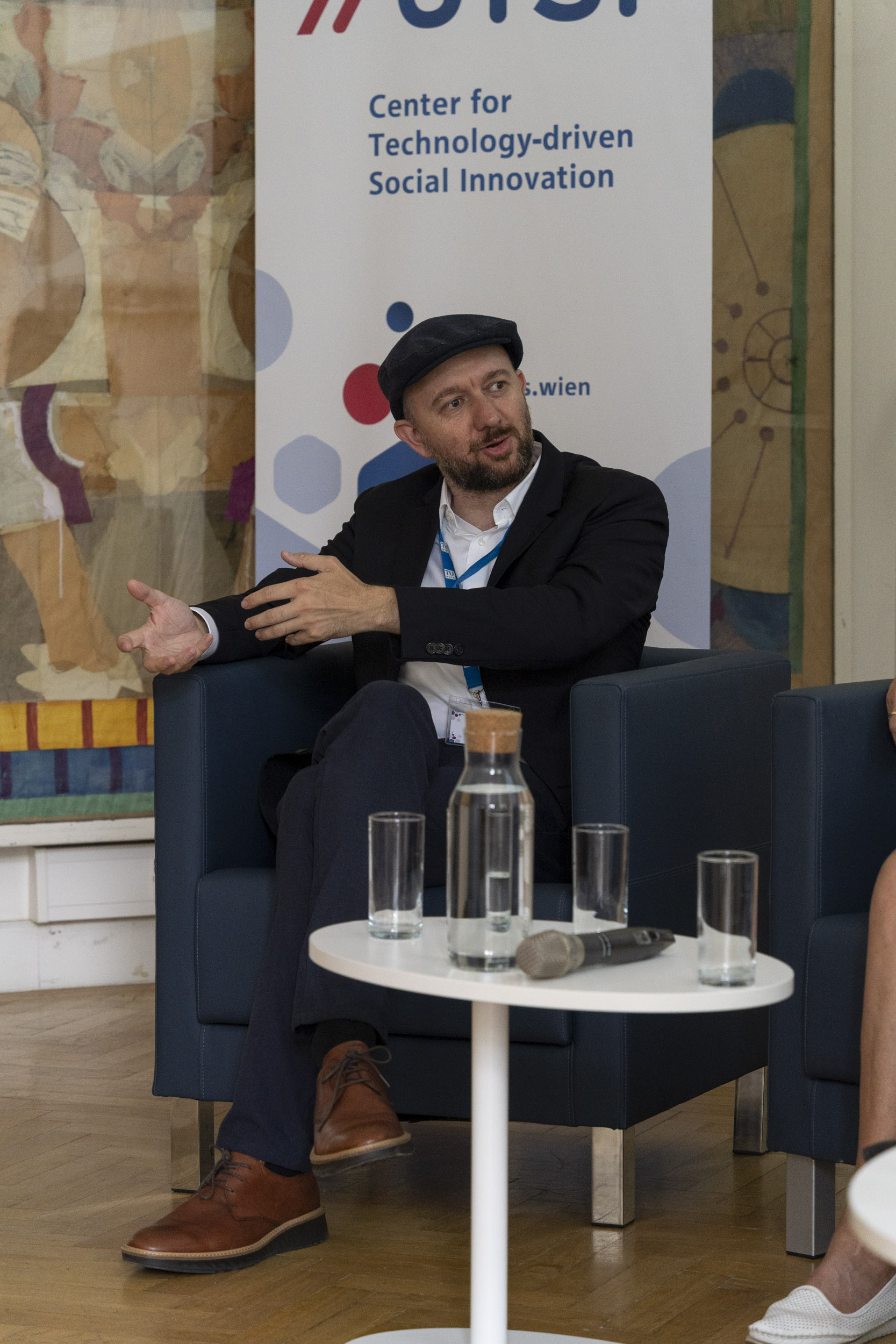
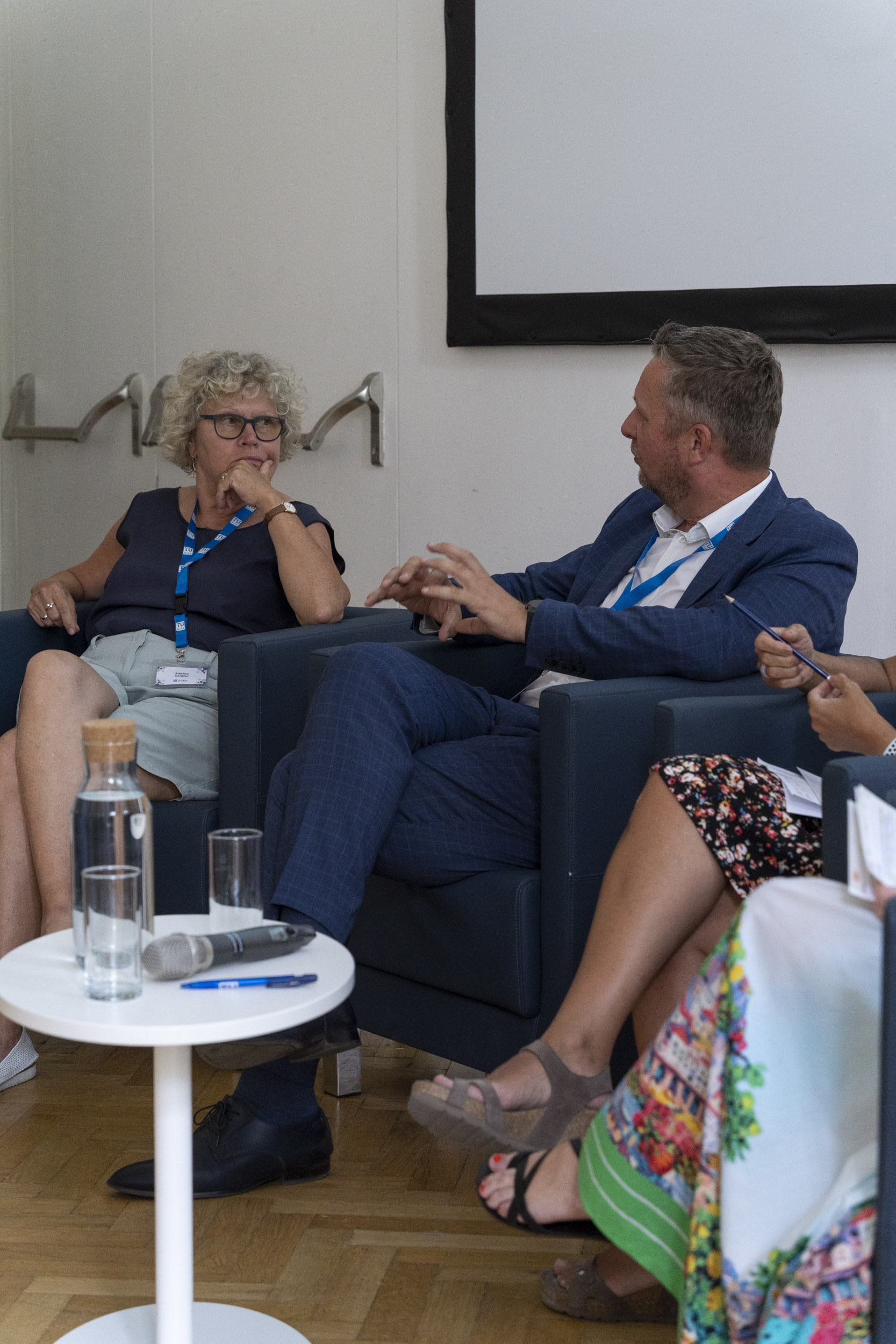
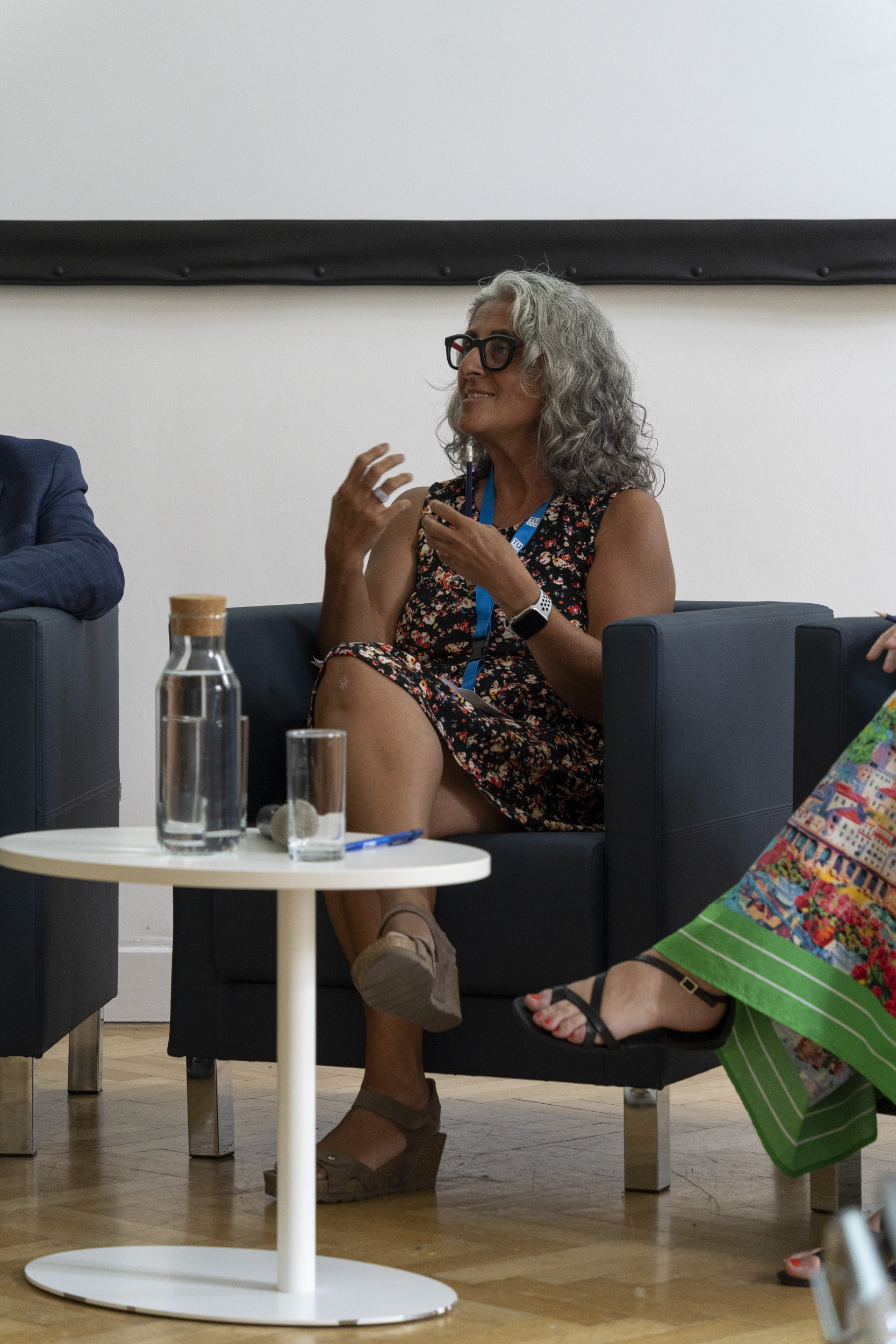
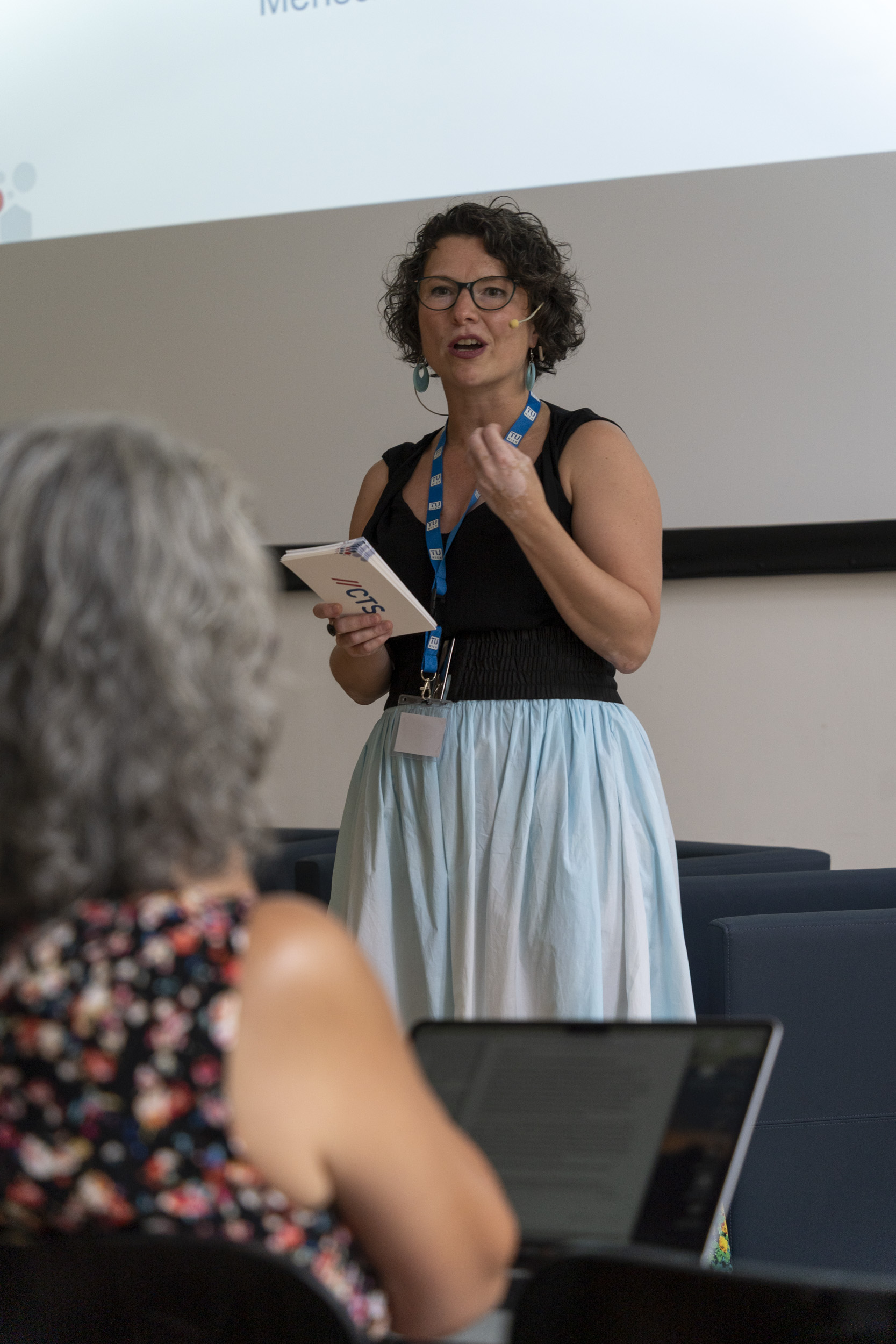
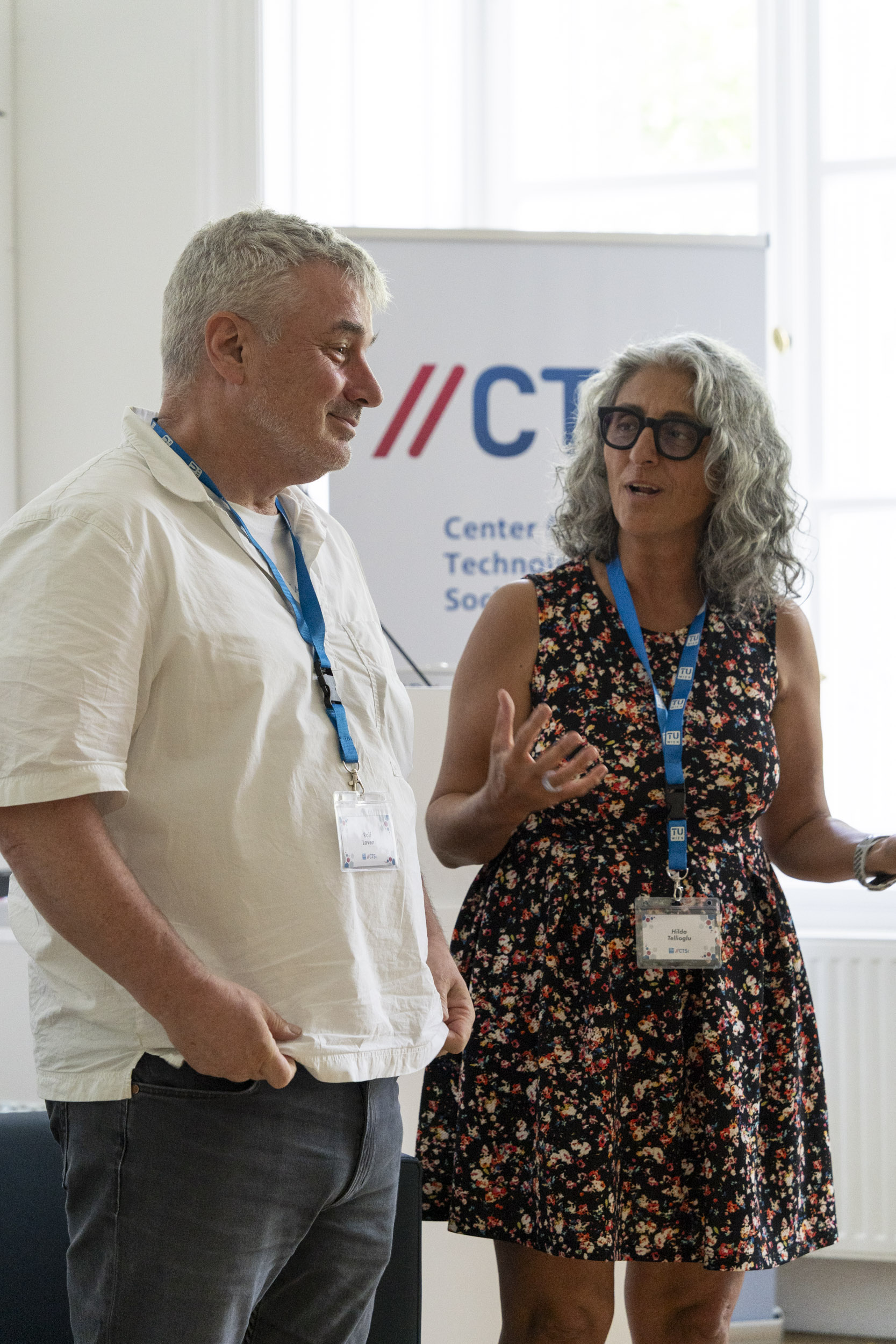
The subsequent panel discussion built on these perspectives and expanded them to include institutional, education policy, and societal questions. Moderated by Anna Franzkowiak, Head of CTSi, the panel featured:
-
– Ben Wagner – expert on technology policy, digital governance, and human rights
-
– Sabine Seidler – perspective on diversity in STEM as well as higher education and science policy; STEM Commissioner of the City of Vienna, a longstanding voice for responsible technology design, and former Rector of TU Wien
-
– Heimo Sandtner – perspective on applied technology, third mission, and research management; Rector of Hochschule Campus Wien, with a focus on innovation, research, and institutional development
-
– Hilda Tellioğlu – representative for participatory, socially embedded technology design; Scientific Director of CTSi, Professor and expert on socio-technical systems and participatory innovation processes, and Dean of Academic Affairs for Computer Science at TU Wien
Among the topics discussed was the need for a strong European perspective in the global competition surrounding artificial intelligence, as individual countries or institutions can only address current developments to a limited extent on their own. Comprehensive and coordinated collaboration is key here, for example, through shared infrastructure - an approach also reflected in TU Wien’s involvement in European university alliances such as EULiST. Such cross-disciplinary, cross-border cooperation is not only groundbreaking in academia but is also essential for shaping our future, particularly in business, public administration, and society. This is precisely where CTSi comes in: as an interface between science and society, critically monitoring technological development and helping to shape it in line with TU Wien’s mission of “Technology for People”.
The role of universities was also examined, particularly with regard to teaching and competence development in dealing with AI. It was emphasized that, alongside the increasing availability of easily accessible specialist knowledge, fostering critical reflection is becoming increasingly important - the kind of fact-based, reason-driven way of thinking that TU Wien describes as its core stance in its guiding principle “(Where) We Dare to Reason”. A recurring theme throughout the discussion was the question of societal participation in technological development: how can we prevent existing barriers to access - for example, for women or for groups with limited educational opportunities in STEM fields - from being reinforced rather than reduced by AI and agentic systems? The panel agreed that diversity must not be an afterthought, but rather built into governance and educational structures from the outset.
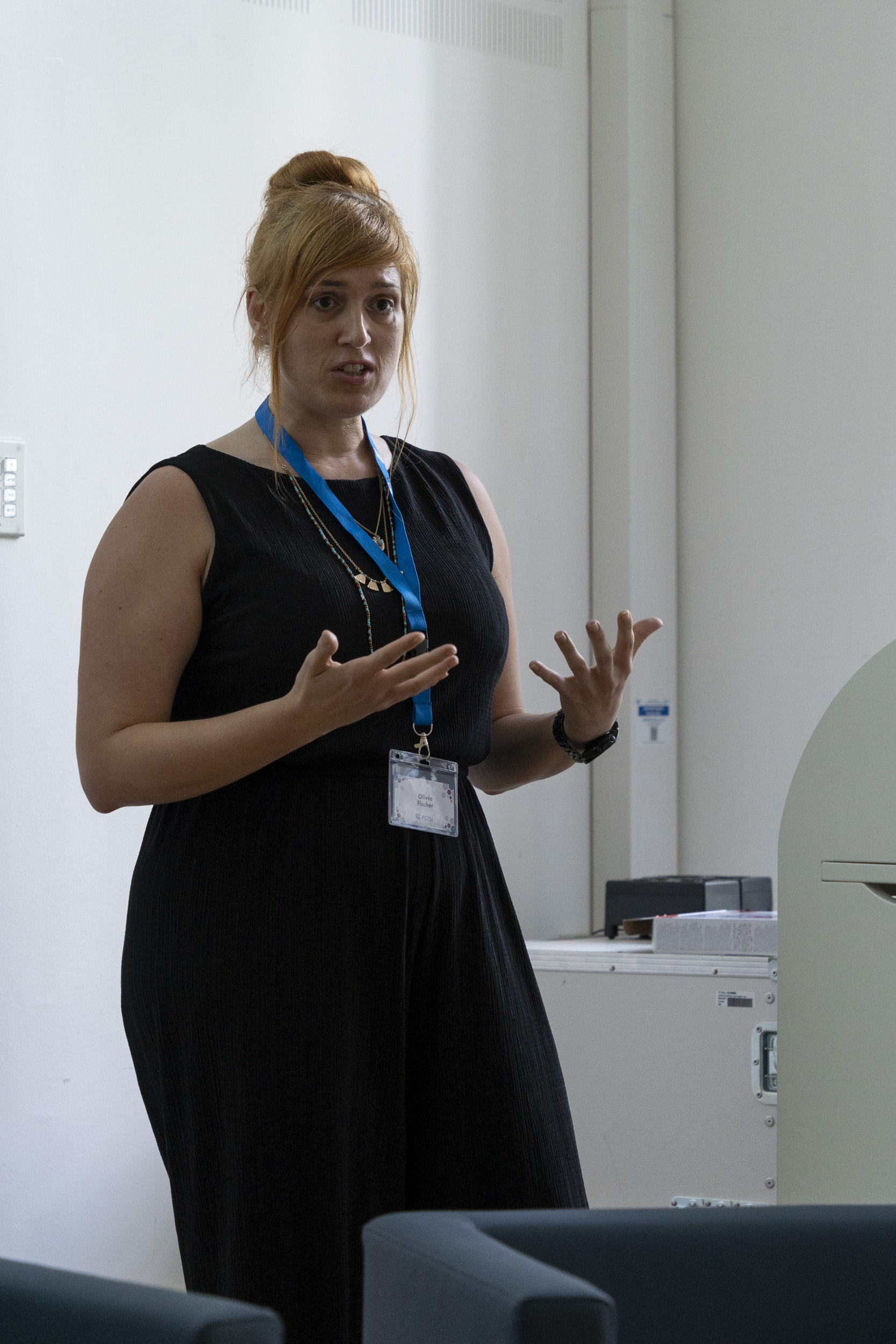
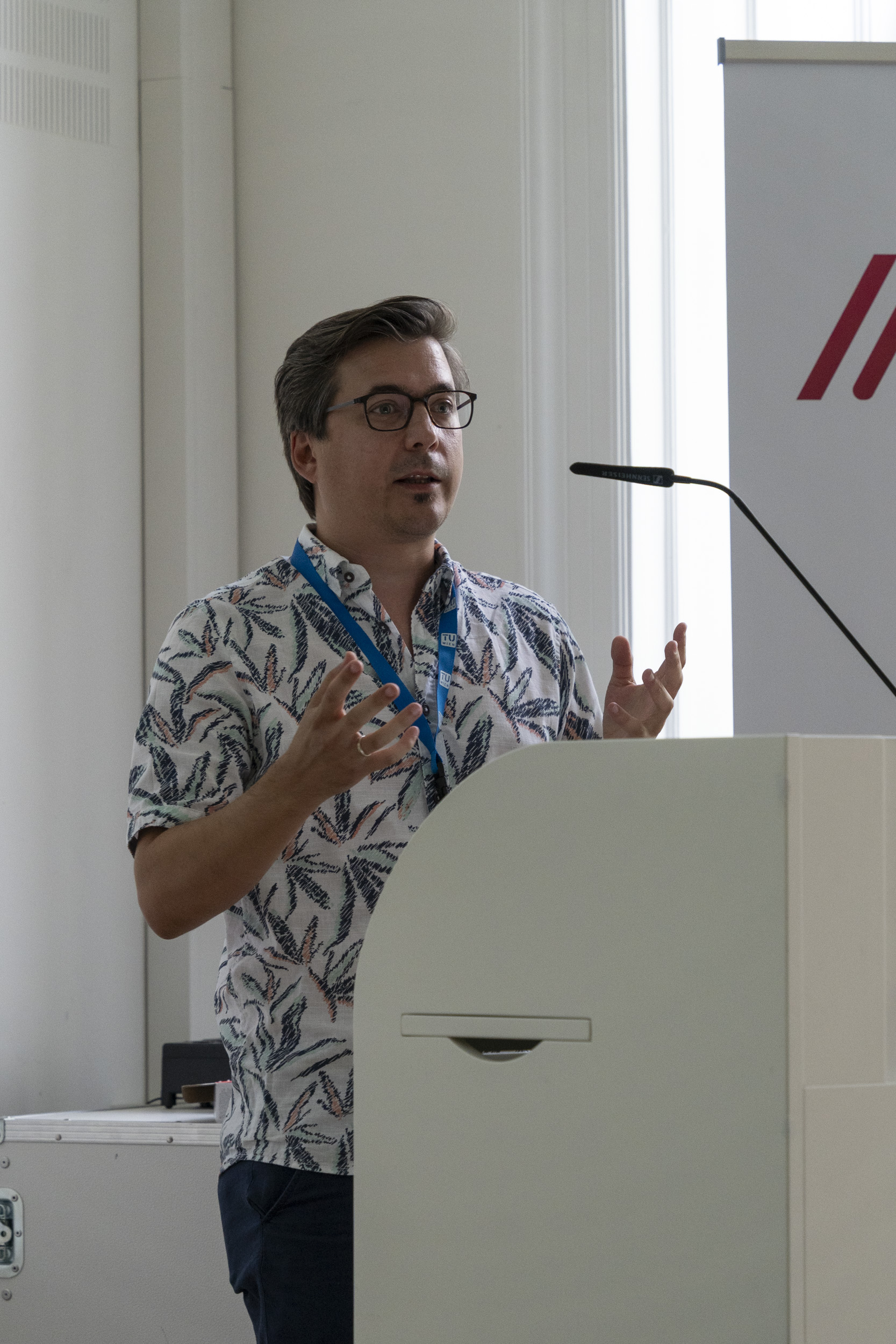
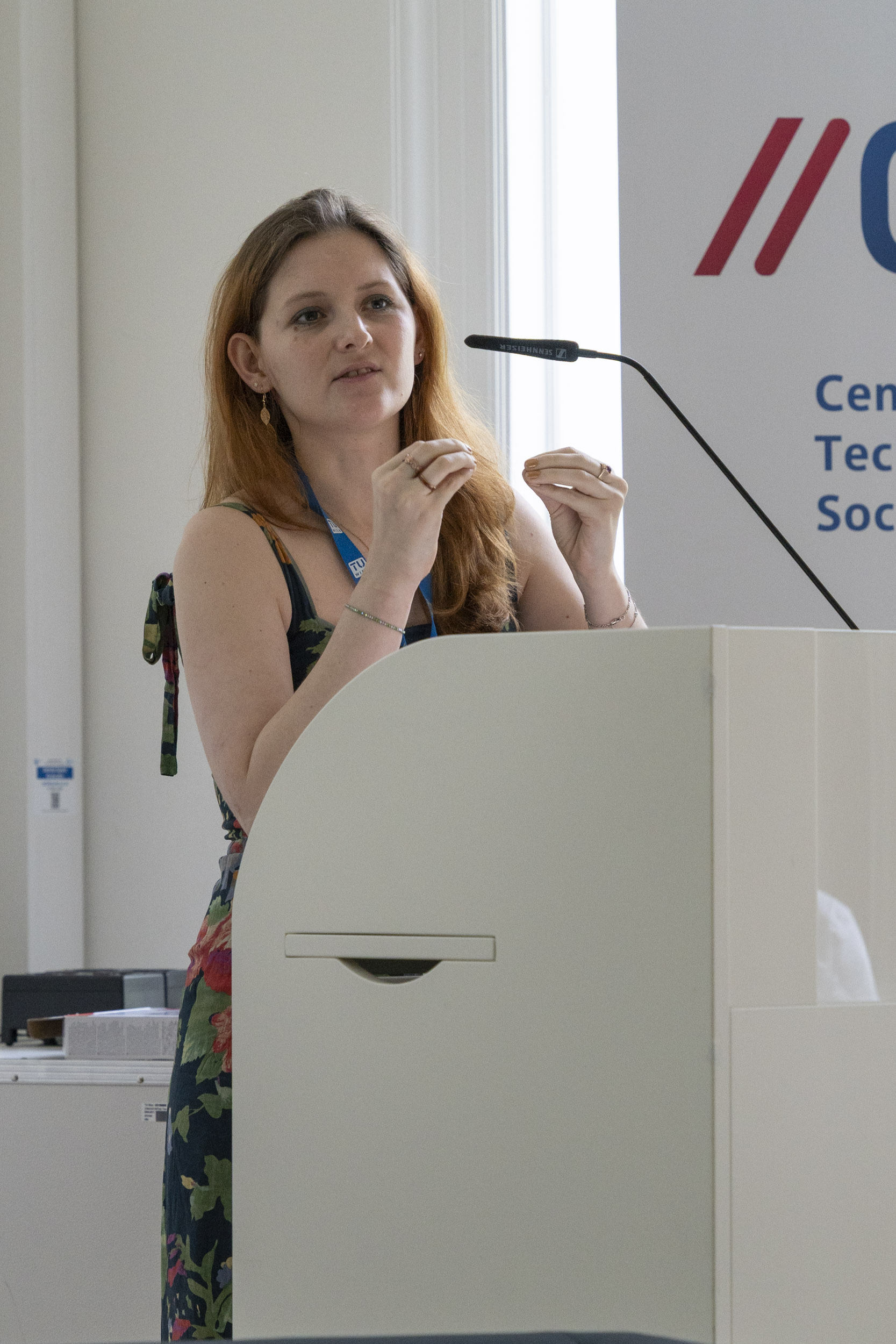
With this focus on reflective and design competencies around AI, CTSi connects directly to TU Wien’s strategic goal of embedding data literacy and AI competence across the university—not as a purely technical skill, but as a prerequisite for researchers, educators, and students to actively help shape AI and agentic systems rather than merely use them. What this kind of design competence can look like in practice was demonstrated afterward by three PhD students from the doctoral college STE[A+]M (STEAM – STEM – stART ’em), launched in collaboration with CTSi//circle.didactics , which explores innovative and inclusive approaches at the intersection of computer science, technology, art, and education:
-
– Olivia Fischer presented her work on EduLarp (= Educational Live Action Role Playing) as a participatory method in computer science education and human-computer interaction. Her research focuses on the co-design of learning formats with teachers and students in order to foster creativity, collaboration, empowerment, and intrinsic motivation, while opening up new approaches to computer science education.
-
– Gerfried Mikusch provided insights into his research on participatory design approaches in environmental education. Through workshops with students, he demonstrated how context-based environmental sensors can be co-developed to make environmental phenomena more accessible and to support individual engagement with data and its visualization.
-
– Anastasiya Savran contributed a perspective from art education within the STEAM context, showing how aesthetic education and creative processes, in combination with STEM topics, can open up new spaces for learning and experience.
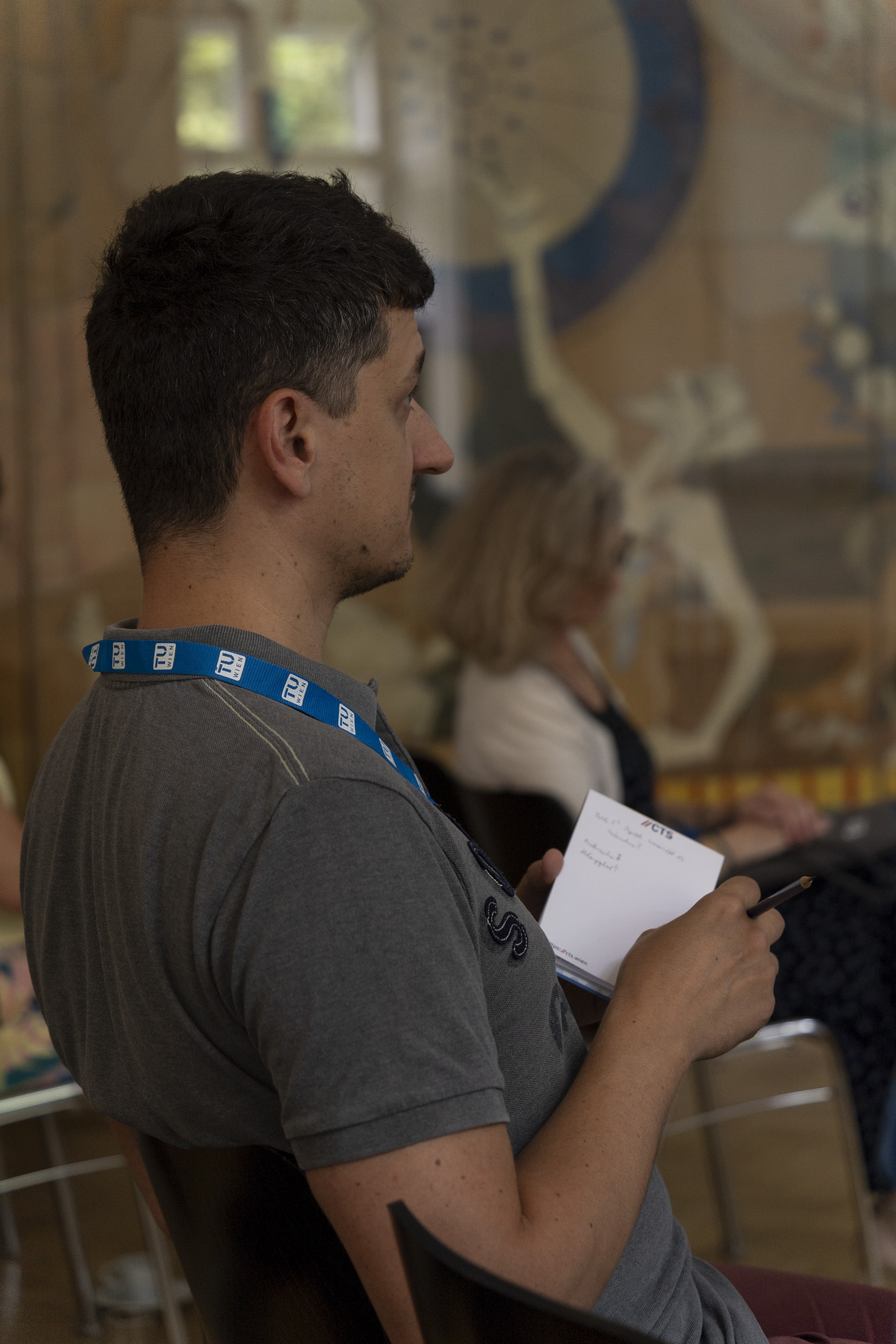
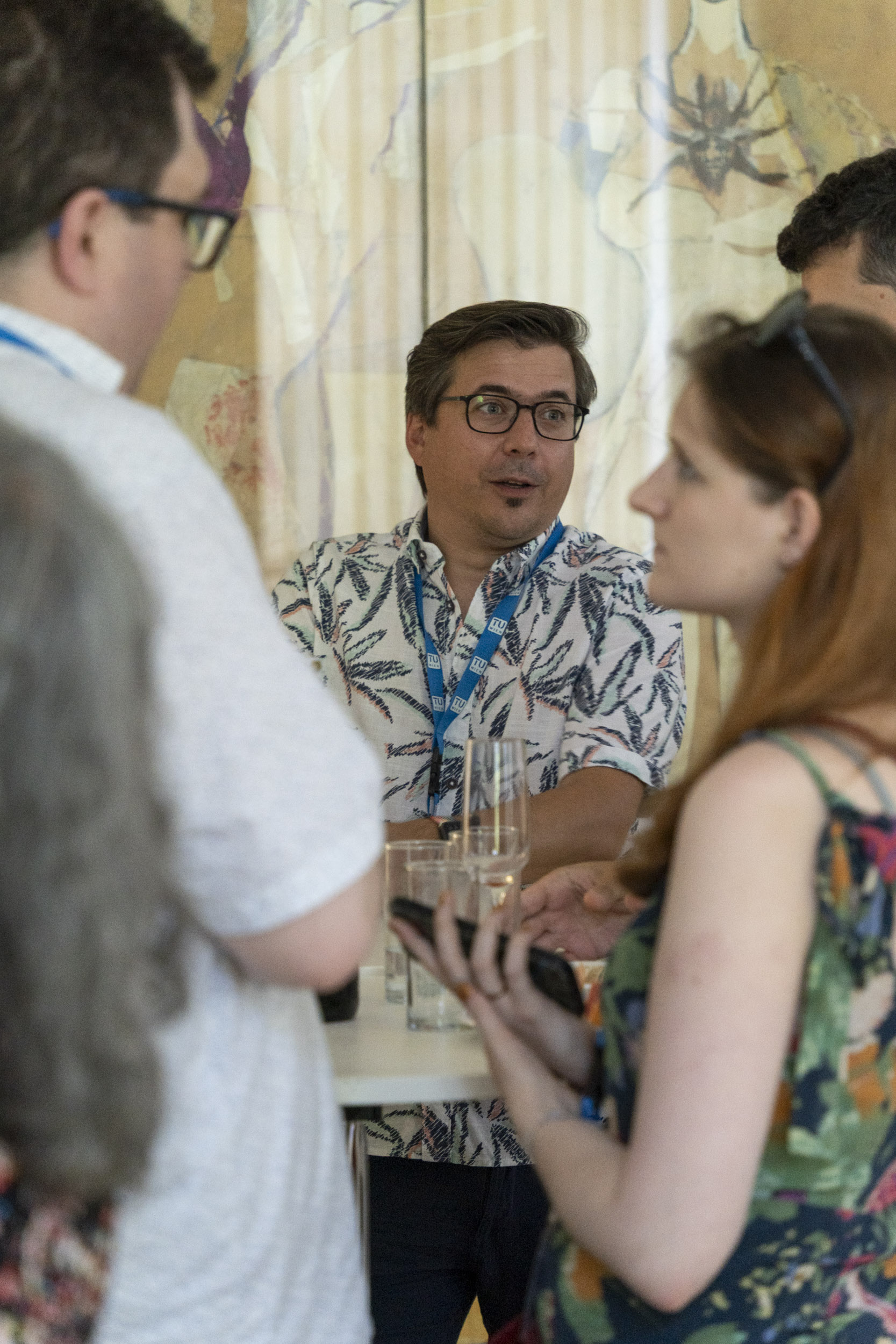
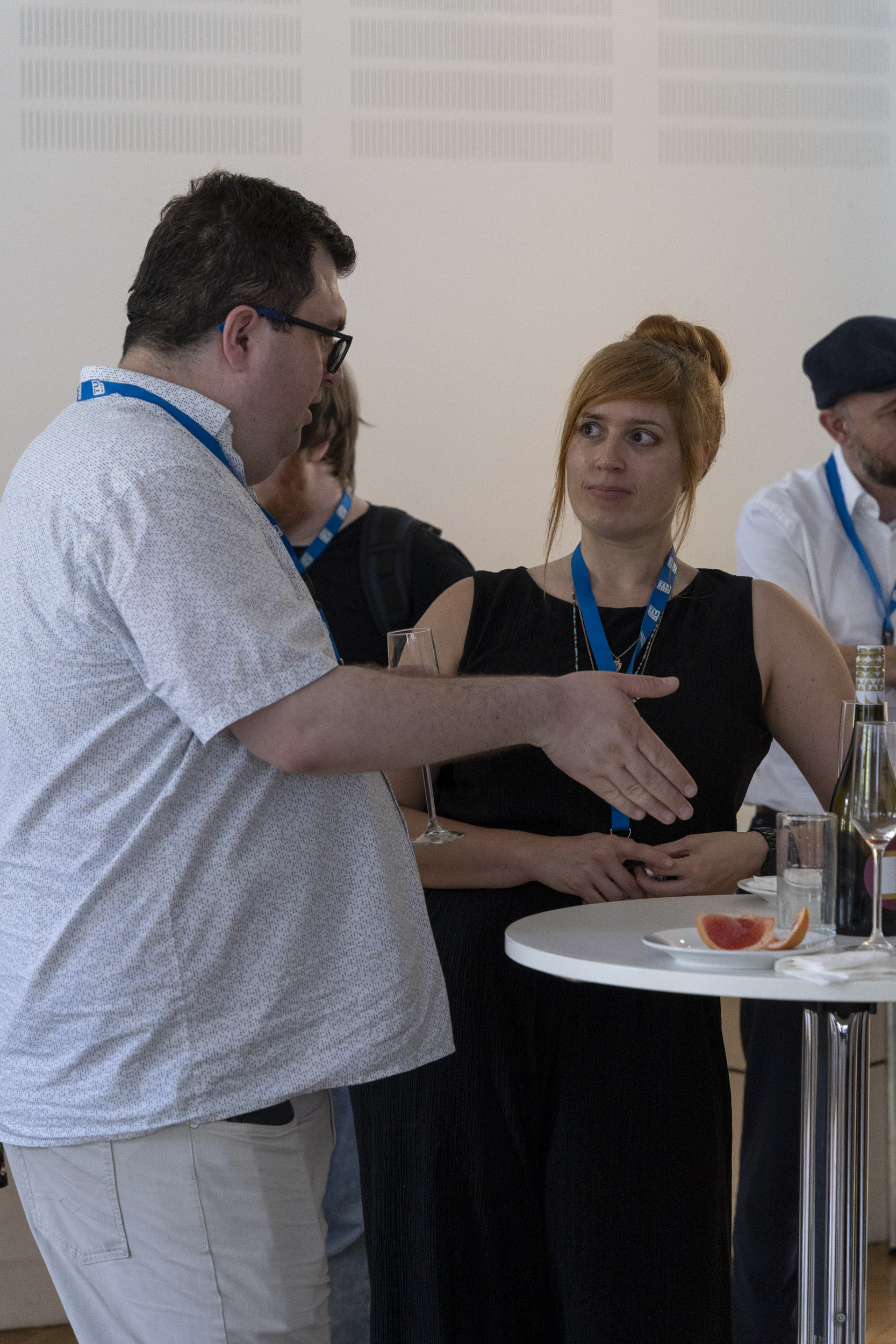
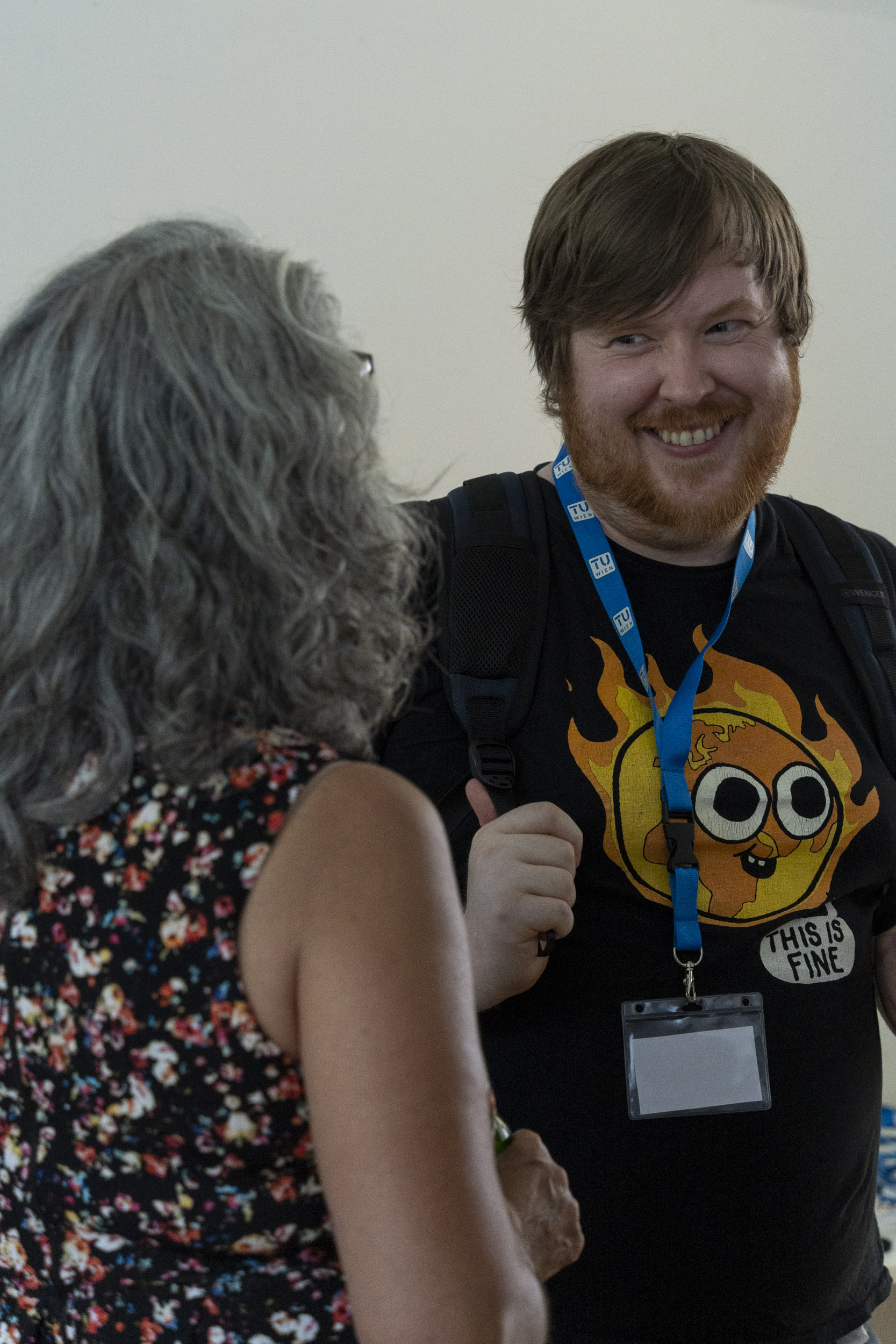
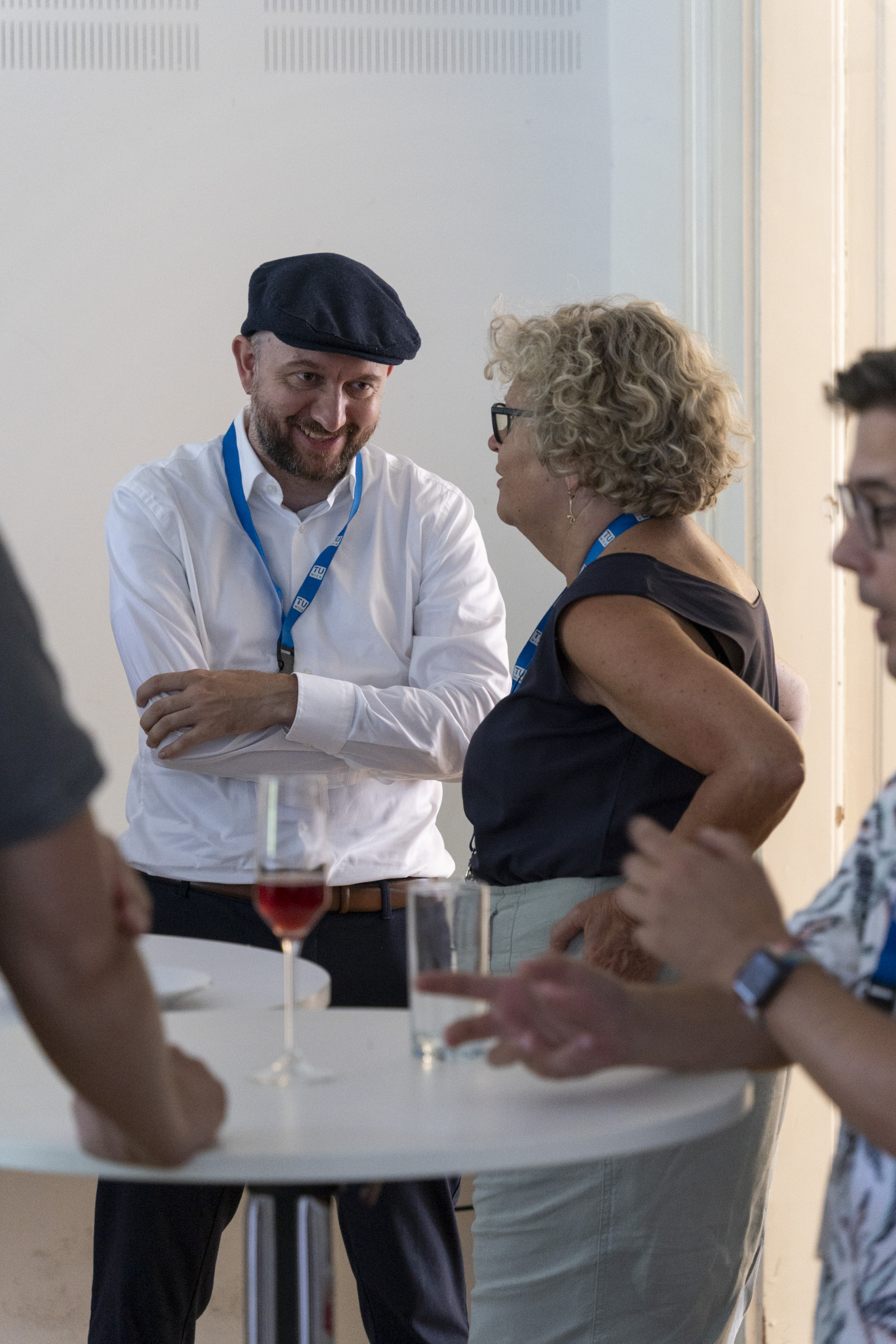
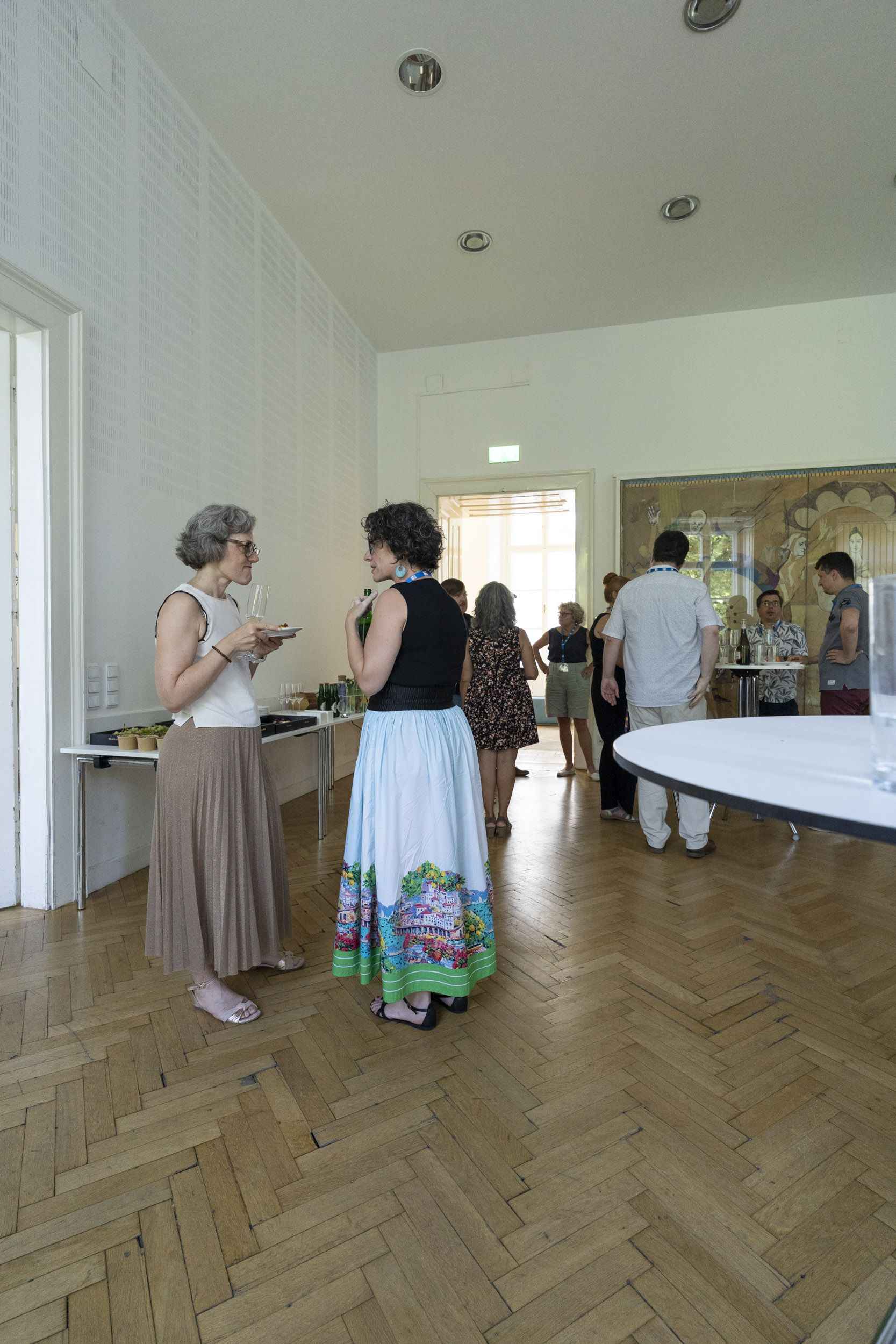
Following the formal program, the exchange continued in an informal setting. The event offered space to deepen discussions, establish new connections, and further develop shared ideas. The summery atmosphere highlighted the open and collaborative character of CTSi//midsommar and underscored the importance of such formats in fostering dialogue at the intersection between technology and society, enabling successful cross-disciplinary and cross-institutional collaboration.
It is no coincidence that this discussion took place in Vienna: as an urban technical university, TU Wien sees the city itself as a laboratory for technology-driven social innovation - an ambition shared by the City of Vienna’s STEM initiative, in which Sabine Seidler is actively involved as STEM Commissioner.
We thank all participants for joining us and for their valuable contributions and inspiring input, and we look forward to continuing this exchange in the future.
Further Links:
-
LinkedIn:
-
Vergangene CTSi//midsommar Events: